







Search Results for: high-concentration pour-over
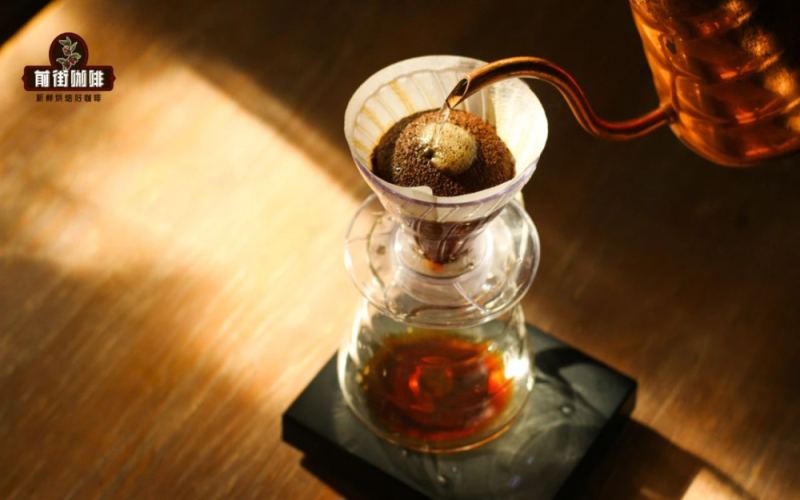
Can You Make a Latte Without an Espresso Machine? A Complete Guide to the Immersion-Style High-Concentration Coffee Extraction Method
Can you make a latte by adding milk to pour-over coffee? Of course you can, but if you simply mix milk with coffee at the strength of a regular pour-over, the result often tastes thin and weak. If you want to enjoy a rich milk coffee without an espresso machine or a moka pot, the key is to first obtain a sufficiently concentrated coffee liquid. In this article, Front Street will share a recently popular "reverse operation" — first soaking and extracting the coffee in a container, then filtering out the grounds with a paper filter, thereby obtaining a high-concentration coffee suitable for making milk coffee. The article will break down in detail the essential difference between this immersion-style extraction and regular pour-over, why making milk coffee requires high concentration, which coffee beans are suitable, and the complete operational steps from coffee-to-water ratio, grind size, stirring rhythm, to milk ratio. [more…]
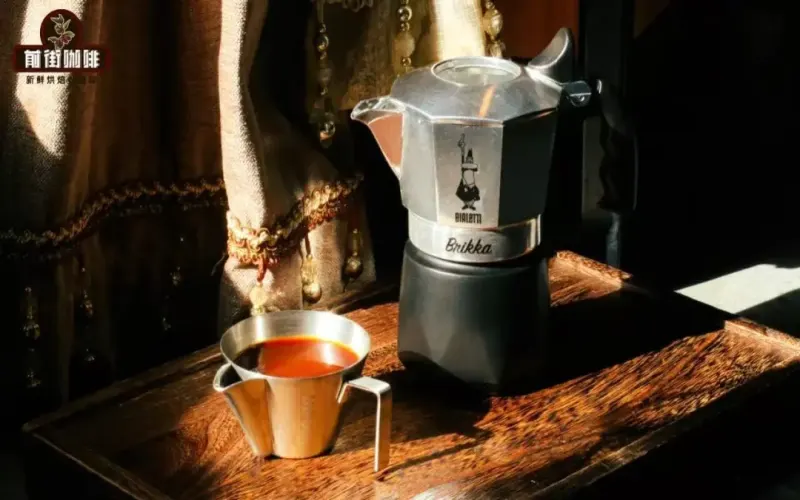
A Comprehensive Guide to Making High-Concentration Coffee with a Moka Pot: Key Techniques for Parameter Adjustment and Rich Crema
Many coffee enthusiasts find that coffee brewed with a moka pot, though stronger than pour-over, still falls far short of espresso in richness and crema. In fact, as long as you master the correct extraction parameters, a moka pot can also produce high-concentration coffee approaching espresso strength. This article will explain in detail how to enhance the concentration and crema of moka pot coffee by limiting liquid weight, adjusting the coffee-to-water ratio, and selecting suitable coffee beans, and will share a hands-on example and specific steps for making Front Street Coffee's classic espresso blend, helping you easily brew a cup of high-concentration moka pot coffee with rich aroma and abundant crema. [more…]
Can Pour-Over Coffee Make a Latte? A Correct Reverse-Brewing Method and Key Points for Extracting Milk Coffee
Recently, a "reverse brewing" method has become popular in the coffee world—first mixing and soaking the coffee grounds and water to complete extraction, then using a paper filter and dripper to filter out the grounds, resulting in a highly concentrated coffee liquid used to make milk coffee. After being asked about this method by customers in-store, Front Street Coffee specifically sorted out the principles and operation of this approach. Strictly speaking, this is no longer "brewing" but immersion extraction, similar to a smart cup or French press. Although it cannot match the concentration of an espresso machine or moka pot, for households without pressure equipment, it is a practical alternative to satisfy a craving for milk coffee. This article will explain why making milk coffee requires high concentration, how to choose beans, and the specific extraction parameters and steps for Front Street Coffee's Strawberry Candy · Geisha Blend. [more…]

Can Pour-Over Coffee Be Drunk with Milk? Parameters, Ratios, and Steps for Making Milk Coffee with High-Concentration Pour-Over
Will you get beaten up for adding sugar and milk to pour-over coffee? Behind this internet meme, there's actually a reflection of many people's stereotypes about how coffee should be drunk. This article uses this topic as a starting point to explain that coffee is essentially an everyday beverage, and how you drink it is entirely up to personal preference. It then aims to make milk coffee, sharing how to adjust the coffee-to-water ratio, grind size, and water temperature to extract a more concentrated pour-over coffee using Front Street PWN Golden Mandheling, and then mix it with milk in proportion to ultimately get a smooth, flavorful milk coffee. The article includes complete parameters, brewing steps, and tasting descriptions, making it a useful reference for coffee lovers who want to try making pour-over milk coffee at home. [more…]
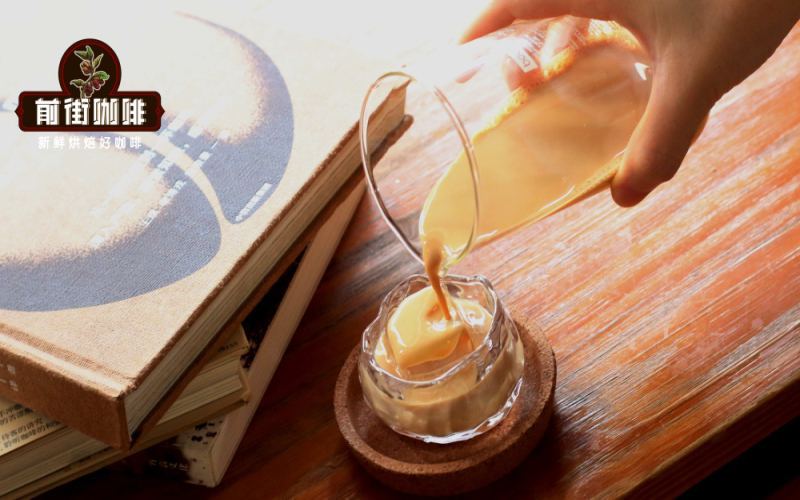
Can Drip Bag Coffee Be Used to Make a Latte? An Analysis of Feasible Methods and Techniques for Making Milk Coffee with Drip Bags
Many coffee enthusiasts with limited equipment want to know whether they can make a delicious milk coffee using drip bags. The essence of a latte lies in the fusion of a highly concentrated coffee base with milk, while drip bags are limited by pre-ground coffee and the drip extraction method, so their concentration is naturally insufficient. But as long as you master the right methods—increasing the amount of coffee powder, reducing the amount of water, and combining this with stirring or microwave heating—you can still make a milk coffee at home that is close to latte flavor. This article will explain in detail, from principles to practice, the complete steps for making highly concentrated coffee with drip bags, and recommend several medium-dark roast drip bag products from Front Street that are suitable for pairing with milk. [more…]
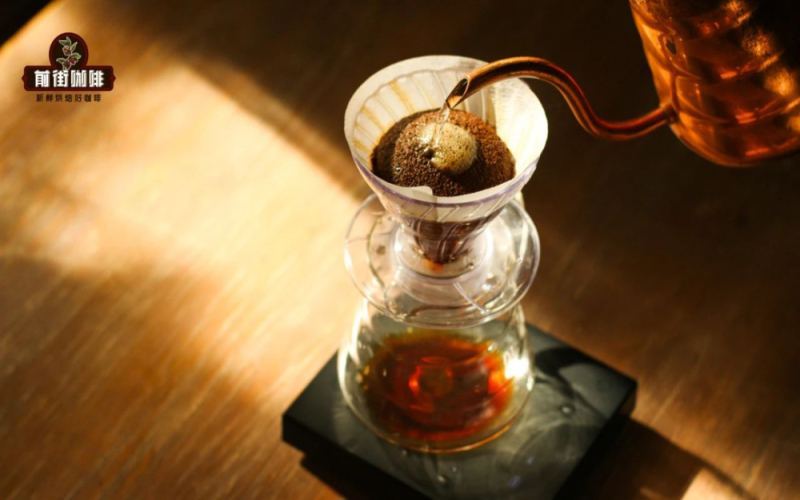
High-Concentration Low-Extraction Brewing Method Explained: Strategies for Increasing Pour-Over Coffee Concentration and Water Dilution Adjustment Techniques
In the world of pour-over coffee, "high concentration, low extraction" is gradually becoming a highly regarded brewing approach. What it pursues is giving the coffee liquid a higher concentration while keeping the extraction yield at a lower level, thereby leaving ample room for subsequent adjustments. The core of this method lies in flexibly using the coffee-to-water ratio, actively or passively changing the extraction conditions. Unlike the traditional "high extraction" approach, high concentration, low extraction places more emphasis on the coffee's margin for error—even if the concentration is on the high side, it can be easily corrected by diluting with Bypass water, avoiding a cup that is hard to drink. This article will thoroughly analyze the operational details of this brewing concept and, combined with Front Street Coffee's practical experience, help you master the complete framework of high concentration, low extraction, and make a stable and delicious pour-over. [more…]

Can Pour-Over Coffee Also Make Milk Coffee? A Complete Guide to Pairing a High-Extraction Pour-Over Base with Milk
When it comes to combining pour-over coffee with milk, most people think of café au lait, but café au lait has a relatively low coffee concentration, and its flavor is easily diluted once milk is added, making it clearly different from an espresso-based latte. Front Street Coffee recently noticed a shop-visit video by a well-known Korean coffee blogger, in which a champion barista used a pour-over method to make a milk coffee with excellent flavor and mouthfeel. This article will focus on the extraction logic of espresso and share how to obtain a very high-concentration pour-over coffee as a base by adjusting the coffee-to-water ratio, grind size, water temperature, and stirring technique, then add milk in an appropriate ratio to create a drink that comes infinitely close to a latte. It will also recommend medium-dark roasted beans suitable for pairing with milk and specific Front Street Coffee products, and include complete brewing parameters and operating steps. [more…]

A Complete Guide to Tetsu Kasuya's One-Pour Brewing Method: A Minimalist Pour-Over Approach Rooted in the High-Concentration, Low-Extraction Philosophy
World champion Tetsu Kasuya proposed a brewing method called "one-pour" in 2019, advocating pouring all the target water at once, skipping the blooming step and making pour-over extremely simple. However, it is often mistaken for the single-pour method, when in fact the two are clearly different. This article will comprehensively break down the characteristics of one-pour brewing from its principles, parameters, and operation process to actual measurement comparisons, and use Panama Boquete Geisha as a sample to compare the flavor performance after one-pour and single-pour brewing. At the same time, Front Street Coffee will also sort out five key details to note in one-pour brewing to help coffee lovers avoid misunderstandings. [more…]

What Is a Latte? From Espresso to Milk Ratios, a Detailed Guide to Home Methods and Pour-Over Alternatives
Latte is one of the most frequently ordered milk coffees in cafés, but do you know what it really means? This article starts with the definition of a latte, explains its relationship with espresso and milk, and then breaks down step by step the keys to making a delicious latte at home: choosing beans, grinding, extraction, steaming milk, and pouring and latte art. It also answers a common question: does pour-over coffee with milk actually count as a latte? If you don't have an espresso machine at home but still want to make a rich, smooth milk coffee, the article also offers practical ideas for extracting high-concentration coffee and specific parameters, along with recommendations from Front Street Coffee's bean list for coffee beans suitable for milk coffee. [more…]

Pour-Over Coffee Sweetness Enhancement Guide: The "High, Fine, Large, Fast" Four-Word Formula and the High-Concentration, Low-Extraction Approach for Dark Roasts
Most of the sugars in coffee beans have already been transformed and degraded during roasting, and the remaining sweet-tasting molecules are easily masked by flavors such as acidity and bitterness. In this article, Front Street will break down the underlying principles of high-sweetness extraction and explain in detail the four-character brewing formula of "fine, high, large, fast"—grinding finer, raising the water temperature, increasing the flow rate, and speeding up extraction—using medium-light roasted beans as the experimental subject, demonstrating step by step the specific parameters and techniques for each stage; for medium-dark roasted beans, which are loose in texture and cannot withstand aggressive extraction, the "high concentration, low extraction" approach is recommended, paired with a Kono dripper and a simple one-pour technique, which can likewise brew a cup of coffee with full sweetness and restrained bitterness. At the end, the article also introduces diverse extraction methods such as variable-temperature brewing, for enthusiasts to try freely. [more…]
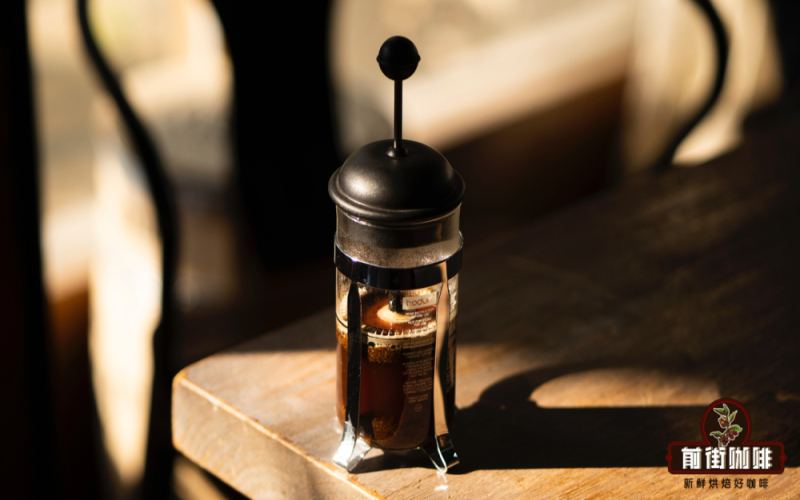
Can a French press also make an espresso base? A detailed explanation of the differences between French press coffee and espresso and the key operating points
Many coffee enthusiasts want to enjoy a latte or americano at home, but are put off by the price of espresso machines. In fact, if you want a rich coffee base, a French press can do the job just as well. This article focuses on how to make high-concentration coffee with a French press, and also explains the difference between it and true espresso, including the causes of crema, and how to adjust grind size and coffee-to-water ratio. Front Street Coffee also uses an Ethiopian natural Red Cherry as an example to demonstrate the specific process and flavor performance of making black coffee with a French press, making it a useful reference for enthusiasts who want to use simple equipment to increase coffee concentration. [more…]
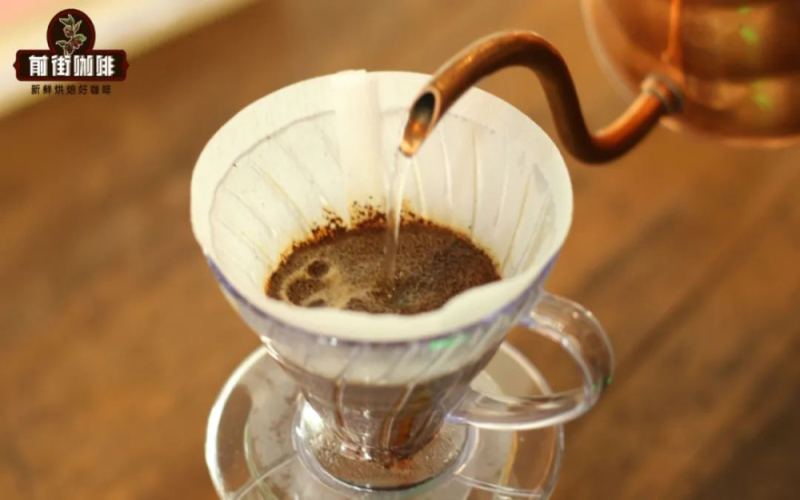
The Bypass Brewing Technique in Pour-Over Coffee: A Practical Guide to Diluting Strength, Rescuing Botched Brews, and Making Iced Coffee
In the world of pour-over coffee, besides the conventional extraction path, there is also an operation known as "bypass"—letting hot water bypass the coffee grounds and fall directly into the server, where it mixes with the already-brewed coffee liquid. This method seems simple, yet it can effectively dilute coffee that is too concentrated, allowing the flavor layers to unfold. Front Street Coffee frequently uses this technique in daily brewing; for example, when a pot of Finca Los Pirineos Geisha has an overly concentrated acidity due to improper brewing, pouring in a small amount of 80°C hot water can release the fruity notes of grape, passion fruit, and citrus. Beyond adjusting concentration, bypass is also widely used in iced coffee preparation, in rescuing over-extracted coffee caused by fine-particle clogging, and even appears in professional coffee competitions. But note that it is not a cure-all—when faced with severely over-extracted or under-extracted coffee, bypass pouring is powerless. This article will systematically analyze the principles, applicable scenarios, and key operational points of bypass, helping you control coffee flavor more flexibly. [more…]
Complete Brewing Parameters Analysis of Ice Dosage for Iced Pour-Over Coffee and the Japanese Rapid Cooling Method
When making iced pour-over coffee, the choice and amount of ice are often the questions enthusiasts ask about most. The core role ice plays in iced pour-over is rapid cooling, not aroma preservation or insulation. Because melted ice dilutes the coffee's strength, its density and quantity directly determine the finished cup's taste and drinking experience. This article will go through the considerations for choosing ice, recommended amounts, and the complete process and specific parameters of Japanese-style rapid-chill iced pour-over, one by one. The article also uses Front Street Coffee's Geisha Village Estate Red Label Geisha as an example to share a practical approach combining high-concentration extraction with a precise ice ratio, helping you brew a cup of refreshing, full-bodied, flavor-forward iced pour-over coffee at home. [more…]
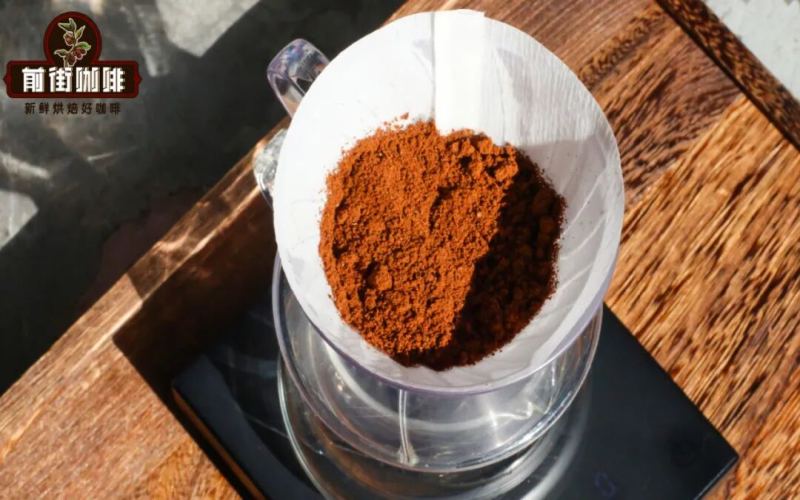
Milk Coffee | How can a coffee novice without a coffee machine make a rich and creamy milk coffee at home? Can you make milk coffee using pour-over coffee?
Sweet, rich, and mellow—these are the three most popular characteristics of latte. The reason a milk coffee can have such a texture is mainly due to the extremely high concentration of espresso. And to achieve such a high concentration in coffee that it won't be diluted by milk, we need to use a very extreme extraction method, therefore [more…]

Can You Make Rich Milk Coffee Without an Espresso Machine? The Golden Ratio for Pour-Over with Milk and a Full Step-by-Step Guide
Want to enjoy a rich, mellow glass of milk coffee but don't have an espresso machine at home? In fact, with pour-over methods combined with a few key techniques, you can also make a milk coffee that comes close to the texture of a latte. This article breaks down in detail how to use ultra-fine grinding, high water temperature, long extraction time, and stirring assistance to obtain a highly concentrated coffee liquid under pressure-free conditions, and provides the golden ratio of coffee to milk. The article also recommends the Front Street series coffee beans suitable for home use, and uses Hacienda La Esperanza Geisha as an example to fully demonstrate the entire process from parameter setting to the milk-mixing ratio, helping you easily achieve milk coffee freedom. [more…]
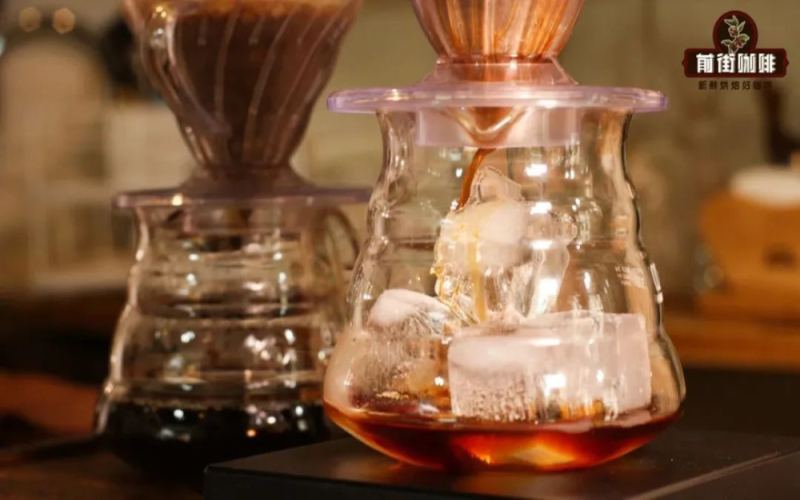
How to Make Iced Pour-Over with Light Roast Beans? Four Cooling Extraction Methods and Flavor Comparison in Practice
As soon as the temperature rises, iced coffee returns to the top of the sales charts. Iced pour-over lets you choose your own beans and comes with a refreshingly cold taste, making it the first choice in hot weather. However, if you simply add ice cubes to a hot pour-over recipe, the concentration gets diluted and it tastes as bland as water. The core problem to solve is: how to maintain a moderate concentration after cooling down. Using Front Street's medium-light roasted Ethiopia Kaffa Forest as an example, we've put together four highly practical iced pour-over methods—high-concentration high-extraction, ice-flushing, stirring, and ice-bath cooling—breaking down the parameters and techniques one by one, and comparing their flavor performances, to help you find the cup that suits you best. [more…]
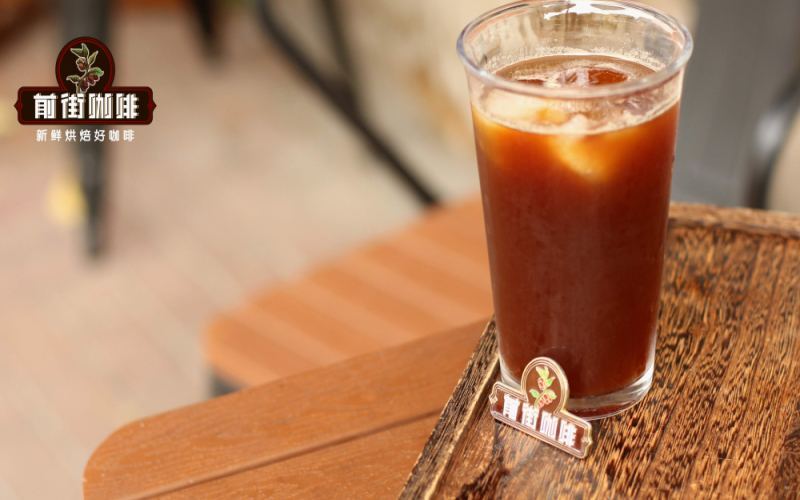
Can Iced Americano Only Be Made with an Espresso Machine? A Complete Guide to the Differences Between Iced Americano, Cold Brew, Ice Drip, Iced Pour-Over, and Black Coffee
The iced Americano that everyone holds a cup of in summer is actually not simply coffee left to cool. It is made by diluting espresso with iced water—zero calories, zero sugar, zero fat—refreshing, cutting through grease, and giving a caffeine boost. But many people also loosely call cold brew, ice drip, and iced pour-over "iced Americano," which causes confusion. These types of iced coffee differ noticeably in extraction principles, concentration, and flavor expression: iced Americano is richer and fuller thanks to the oils in espresso; cold brew and ice drip rely on low-temperature slow extraction to bring a round, slightly acidic taste; iced pour-over uses a high-concentration hot extraction and then cools and dilutes it, highlighting floral and fruity notes. This article will start with the production methods, sources of flavor, and bean selection, and will include Front Street Coffee's step-by-step iced Americano method along with several bean recommendations suitable for different iced coffees. [more…]

How to Determine the Water-to-Coffee Ratio for Iced Pour-Over Coffee? An Analysis of Ice Placement Timing and a Complete Brewing Plan
Iced pour-over coffee, with its refreshing and palate-cleansing taste, has become a favorite among many coffee enthusiasts. But to make a delicious iced pour-over, the key lies in setting the water-to-coffee ratio and how you use the ice. Unlike hot pour-over, iced pour-over requires first extracting a highly concentrated hot coffee liquid, then diluting and cooling it with ice, so the coffee-to-water ratio, pouring amount, and ice quantity all need to be readjusted. This article will explain in detail the brewing approach for iced pour-over, suitable coffee bean choices, and the parameter scheme used by Front Street Coffee in actual practice, helping you easily recreate a cup of iced pour-over with complete flavor at home. [more…]
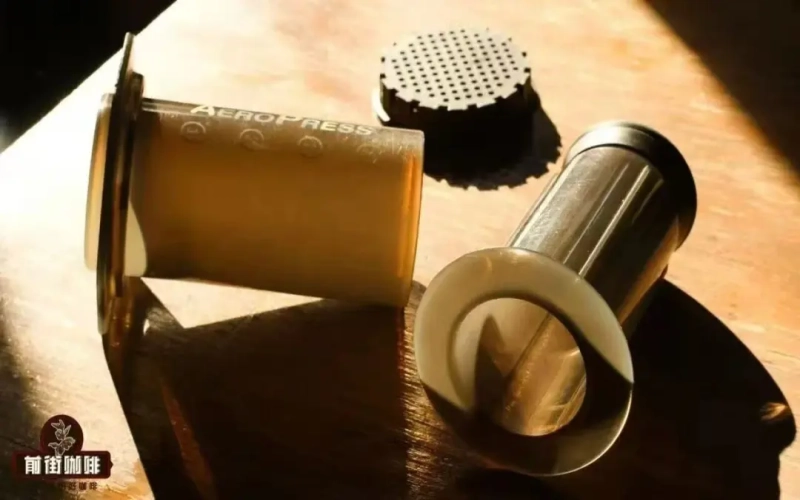
AeroPress Coffee Brewing Guide: Grind Size, Water Temperature, and Coffee-to-Water Ratio Parameters, Plus Tetsu Kasuya's Champion-Level Universal Brewing Recipe
The AeroPress, with its极高 playability, attracts many coffee enthusiasts to get involved, and the official organization even holds专属 competitions every year to see who is the best at "playing" with it. In this article, Front Street is going to share a universal extraction recipe from an AeroPress champion—this champion is none other than粕谷哲, the 2016 World Coffee Championship winner and inventor of the famous 4:6 method. This recipe adopts a high-concentration, low-extraction approach, using a large dose of coffee to extract a small amount of highly concentrated coffee liquid in a short time, then diluting it with water or ice to make a hot or iced drink. Using an Ethiopian Hamashu light-to-medium roast floral and fruity bean as an example, Front Street records in detail the dose, grind size, water temperature, extraction time, and inverted pressure operation steps, and also provides by-pass dilution suggestions and flavor tasting references. Friends who have an AeroPress at home should definitely give it a try. [more…]

Summer Sparkling Americano Iced Coffee: Key Preparation Points and a Full Explanation of the Flavor Sources of Black Gold Americano
In the scorching summer heat, Guangzhou locals have their own clever ways to cool down, and the collision of soda and coffee—sparkling iced Americano—is becoming a favorite among many coffee lovers. This drink uses simple ingredients, requiring only ice cubes, soda water, and espresso, but if you want to make it refreshing and delicious, the choice of ingredients and attention to detail cannot be overlooked. This article starts with the selection of soda water, ice cubes, and coffee beans, explains in detail how to obtain a high-concentration coffee liquid through pour-over methods, and provides complete ratios and brewing parameters. At the same time, the article will also introduce fruit-flavored coffee beans suitable for making sparkling Americano, including Front Street. Washed Fruit Dingding, Front Street. Strawberry Candy Espresso, and Front Street. Xizhua, and answer the flavor characteristics of Black Gold Americano coffee, helping you easily replicate a cup of refreshing specialty coffee. [more…]